Recovering from joint replacement
For knee, hip and shoulder replacement. Your operation, implant and any tendon repairs affect recovery. Follow your surgical team’s written movement, loading and exercise instructions first.
Your recovery roadmap
-
For every joint
Start with your plan
Follow your surgical team’s plan: take medicines and follow wound-care and clot-prevention advice as prescribed. Your physiotherapist will teach and supervise safe daily tasks and prescribed exercises, and advise on walking aids or a sling for the time your team recommends.
-
Knee replacement
Movement & walking
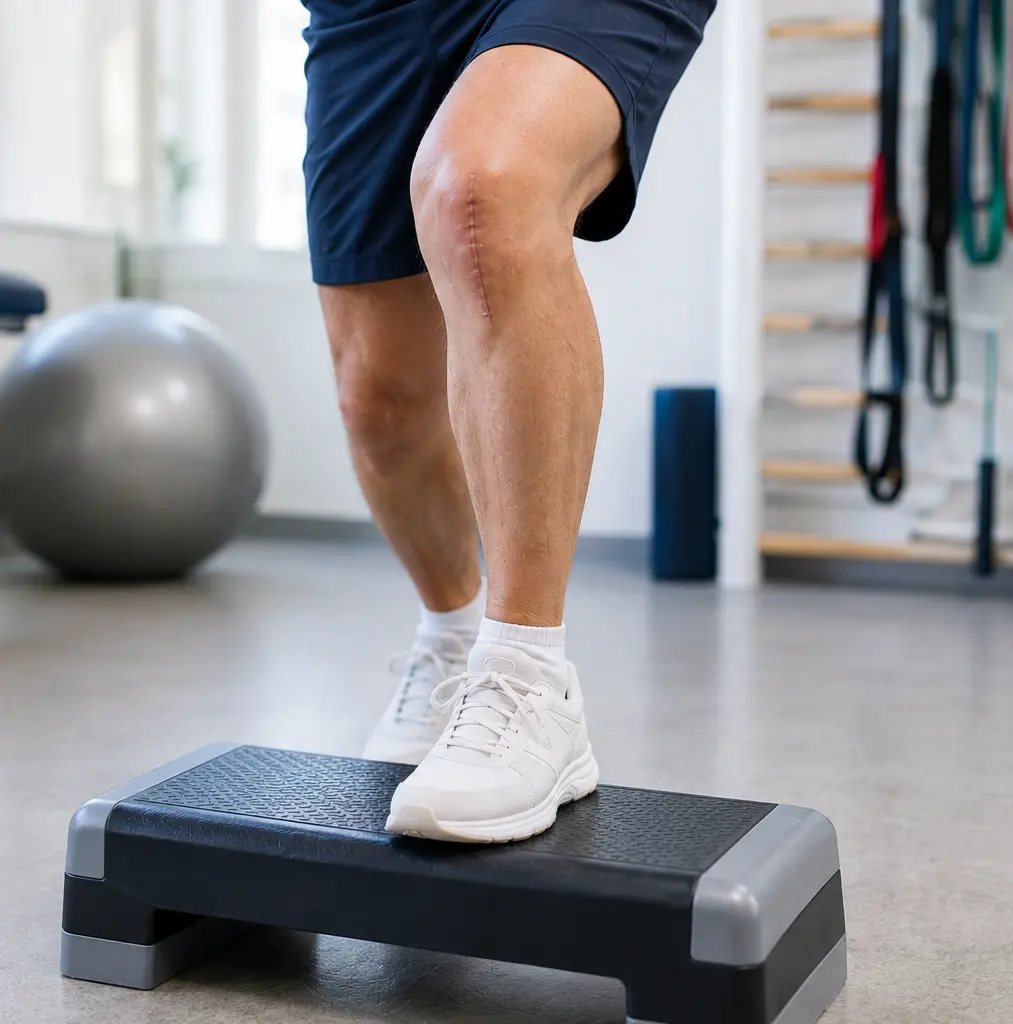
Your physiotherapist will guide comfortable bending, full straightening and thigh-muscle activation, and help you build short walks with suitable aids. Pace activity and manage swelling; avoid forcing the knee through severe pain.
-
Hip replacement
Steady, safe steps
Build walking, hip strength and safe transfers with your physiotherapist. Follow the weight-bearing and position restrictions specific to your operation; not everyone needs the same hip precautions.
-
Shoulder replacement
Protect, then progress
Anatomical and reverse replacements can need different plans. Follow sling and movement limits. Do not lift, push up from a chair, or start resisted exercises with that arm until your surgical team or physiotherapist clears you.
Progress by readiness
Recovery takes months and varies between people. Your physiotherapist will progress strength and activity alongside your team. Work, driving and sport depend on safe function, healing and your procedure.
Keep your team involved
Keep follow-up appointments. Ask your physiotherapist for advice if pain prevents exercises, movement is not progressing or daily tasks are difficult. Extra physiotherapy or occupational therapy may help.
When to get medical help
Call 999: new chest pain, sudden breathlessness or collapse after surgery. These can be signs of a serious blood clot or other emergency.
Same-day surgical team / NHS 111: new calf pain or swelling; fever or chills; wound discharge; spreading redness; or pain and swelling that are worsening. Do not wait for your routine appointment.
Go to A&E urgently: sudden severe joint pain with deformity or loss of use, especially after a fall, or a cold, pale limb with new numbness or weakness. Do not try to relocate a joint.