Eating well for health and activity
A balanced diet supports health, activity and recovery. Your needs depend on daily life and training. This is general adult advice; medical conditions may need a tailored plan.
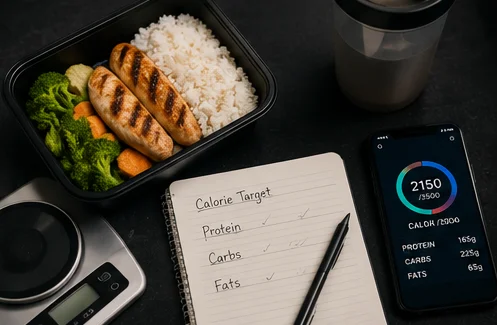
Your everyday nutrition plan
-
Build balanced meals
Include variety
Base meals on higher-fibre starchy foods with vegetables or fruit and a protein source. Include dairy or suitable fortified alternatives, and small amounts of unsaturated fats.
-
Support active days
Eat enough to train
Carbohydrate fuels activity; protein supports muscle maintenance and repair. Include protein foods across meals and adjust portions to your needs. Avoid cutting out whole food groups without a reason.
-
Keep fluids regular
Drink through the day
Water is a good everyday choice. Most adults can use 6-8 cups or glasses of fluid daily as a guide, with more needed in heat or activity. Follow any prescribed fluid limit.
-
Make it practical
Plan simple choices
Aim for at least 5 portions of fruit and vegetables daily. Fresh, frozen and tinned options count. Keep useful meal ingredients available; have foods high in salt, sugar or saturated fat less often.
Food first, with support
In the UK, consider 10 micrograms of vitamin D daily in autumn and winter. Some people need it year-round; ask a pharmacist. Supplements do not replace meals.
Training & recovery
For long or demanding sessions, plan carbohydrate, fluids and a recovery meal or snack. A sports dietitian can tailor fuelling to your training and event, and your physiotherapist can discuss how fuelling and recovery fit with your rehab goals.
Train smart: when to get advice
Get tailored advice: pregnancy, diabetes, kidney disease, food allergy, digestive disease or a highly restricted diet can change requirements. Speak to a clinician or registered dietitian before major changes.
Recognise under-fuelling: persistent fatigue, repeated injuries, menstrual changes or declining performance can accompany low energy availability. This can happen at any body size; seek assessment rather than cutting intake further.
Ask for support: unintentional weight loss, difficulty eating, or anxiety and rigid rules around food deserve help. Choose a sustainable pattern that supports health, not a rapid transformation promise.